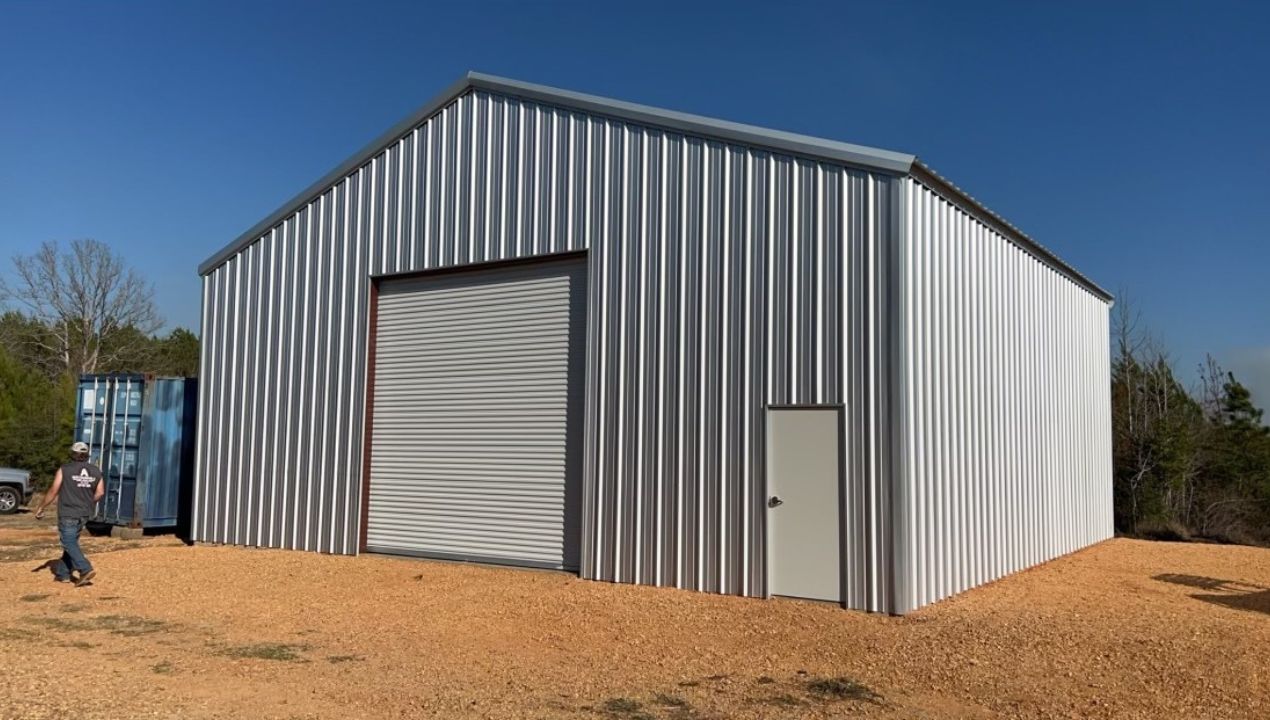
Metal buildings are widely known for their durability, but many property owners in Mississippi still ask an important question before investing: how long will a metal building actually last? The answer depends on several factors, including construction quality, materials, environmental conditions, and ongoing maintenance.
In a state where heat, humidity, and storms are part of everyday life, understanding the lifespan of metal buildings helps property owners make confident, long-term decisions.
Understanding the Lifespan of Metal Buildings
Metal buildings are designed for longevity. When constructed with quality materials and proper engineering, these structures can remain functional and structurally sound for decades. Unlike traditional materials that may degrade more quickly under environmental stress, steel framing maintains its strength over time.
The lifespan of a metal building is not defined by a single number. Instead, it reflects how well the structure resists wear, adapts to environmental conditions, and is maintained throughout its life. Many metal buildings continue performing effectively long after initial construction when properly installed and cared for.
Why Metal Buildings Perform Well in Mississippi
Mississippi’s climate presents unique challenges that can impact building materials. High humidity levels can accelerate deterioration in some materials, while heavy rainfall and storms test structural strength. Metal buildings are engineered to handle these conditions.
Steel framing resists moisture-related damage such as rot and warping. Protective coatings on metal panels help guard against corrosion, even in humid environments. Roofing systems are designed to shed water efficiently, reducing the risk of leaks and structural weakening.
Because of these characteristics, metal buildings are particularly well-suited for Mississippi properties that require dependable performance under changing weather conditions.
Factors That Influence Longevity
The lifespan of a metal building depends heavily on how it is constructed and maintained. One of the most important factors is the quality of installation. Proper alignment, secure fastening, and adherence to engineering standards ensure that the structure performs as intended.
Material selection also plays a key role. Steel components with protective finishes offer better resistance to environmental exposure. Roofing systems and panel coatings contribute to the building’s ability to withstand moisture and temperature changes.
Environmental exposure itself influences longevity. Buildings located in areas with consistent moisture or severe weather may require more attention over time. However, well-built metal structures are designed to handle these conditions with minimal impact on performance.
Maintenance practices further affect lifespan. Regular inspections and timely repairs help prevent minor issues from developing into larger structural concerns.
Structural Integrity Over Time
One of the primary advantages of metal buildings is their ability to maintain structural integrity over extended periods. Steel does not shrink, crack, or warp in the same way as some traditional materials. This consistency helps preserve the building’s shape and strength.
Because metal buildings are engineered for specific load requirements, they remain stable under pressure from wind, weight, and environmental stress. This reliability is especially important for commercial and agricultural operations that depend on consistent structural performance.
The Role of Maintenance in Extending Lifespan
While metal buildings are known for low maintenance requirements, periodic care is still essential. Routine inspections allow property owners to identify potential issues such as loose fasteners, worn sealants, or minor panel damage.
Keeping the building clean and ensuring proper drainage helps prevent moisture buildup. Addressing small concerns early can significantly extend the life of the structure and maintain its performance.
In Mississippi, where weather conditions can change quickly, inspections after major storms can help ensure the building remains secure and undamaged.
Comparing Metal Buildings to Traditional Structures
When compared to traditional construction materials, metal buildings often offer a longer service life with fewer maintenance demands. Wood structures may require more frequent repairs due to moisture exposure, pest activity, and material degradation.
Metal buildings provide a consistent and predictable performance over time, making them a reliable choice for property owners who want durability without constant upkeep.
A Long-Term Investment for Mississippi Property Owners
Metal buildings are more than just a construction choice—they are a long-term investment in structural reliability and performance. In Mississippi’s challenging climate, durability and resistance to environmental stress are essential.
When properly constructed and maintained, metal buildings can serve residential, agricultural, and commercial needs for decades, providing dependable protection and functionality.
For property owners looking to build a structure designed for long-term performance, Allen’s Construction, LLC offers expert metal building construction services tailored to Mississippi conditions. Their team focuses on delivering durable structures built with precision and quality craftsmanship.
If you are planning a new building project and want a solution that stands the test of time, contact Allen’s Construction, LLC to learn more about metal buildings designed for strength, longevity, and reliability.